We all know that mechanical watches are small and delicate. The crown is especially delicate and this not helped by it being the only part of the watch we really interact with.
It is a common area for a problem to occur, luckily, a lot of the time the problem is not that serious and this usually includes when you fully pull the crown out of your watch. Most times you should be able to reattach it without any further issues.
What Is The Crown Of A Watch?
The crown is the little knob part that sticks out of the watch and is usually found at the 3 o’clock position.
We use this to wind the watch and to move the hands so we can set the correct time.
(You can read more about – Can You Over Wind A Watch?)
What Is The Stem Of A Watch?
The stem is the thin little rod that connects the crown to the watch movement. We use our fingers to twist the crown, which in turn makes the stem twist.
The end of the stem will be able connected to the watch movement, as its turns, it will be moving the gears inside, which in turn wind up the main spring and give the watch power.
If you own a watch with a clear case back you will be able to see things move as you twist the crown.
Know Your Watch Movement
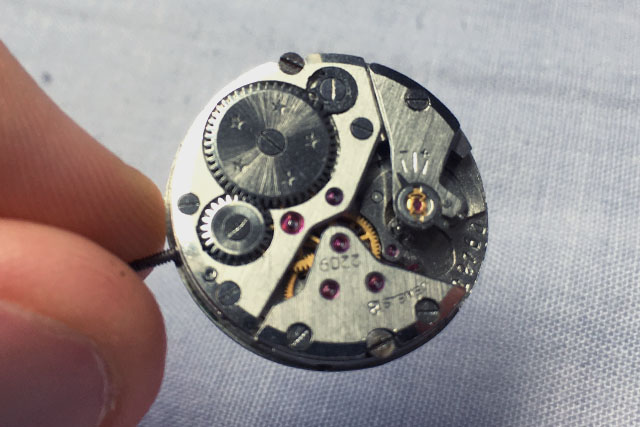
Before you do anything with your watch, you need to make sure you know what movement is inside.
If you have any issues with your watch, including the crown, you need to make sure you know what you are working with. If you just blindly try and fix something, you are very likely to make it worse. This will also let you know if you have an issue. If you have a Vostok, they are designed to have a wobbly crown, this isn’t a fault, this is actually what they are meant to to!
If you are not confident, or don’t know what you’re doing that is fine. It’s better to admit this than just power on and damage your watch further. You can just go to a watch maker they will fix it for you. Every town will have a watch repair shop, so you shouldn’t have to go far to find someone who can help you.
(you can read more about – How Long Does An Automatic Watch Take To Wind?)
Common Problems That Can Happen With The Crown of A Watch
You will find that there are a few common problems that can occur with your crown, which I will go through here:
The Crown Has Come Off The Watch
Sometimes the crown can just come off. Basically the crown and stem are two pieces. The crown is attached by screwing it on to the stem.
This means you should be able to just screw it back on. You just need some lock-tite to reattach it again properly.
The best way to do this is to remove the back of the watch and then lightly screw the crown back onto the stem. You want to do this just enough so that it is reattached.
You then want to remove the whole stem and crown (This is why you need to know what movement you have, so you know how to do this properly)
Once you have the stem and crown fully removed from the watch, unattach them again.
You should now clean the threads and apply a little bit of lock tite. Now you can reattach the two together properly and tightly. This should now insure the two are properly attached and will stop them coming apart again.
You can now add the stem and crown back into the watch and your problem should be solved.
The Crown and Stem have Both Come Off The Watch
This is either going to be a very easy fix, or a total disaster. You need to examine the stem and see if it has snapped or not.
The Stem Has Snapped
It can be common for the stem to break. You need to examine what has come off and see if it has sheered. Often you may think it is just the crown that has unscrewed, but it’s actually snapped and a part of the stem is still attached.
If this is the case, you are probably in trouble. It usually means that the other half of the stem is still inside the watch, which means you need to take the whole thing apart to get the broken part out.
You will need a new stem and crown and potentially some other parts may need replaced.
This can be extremely complex and I would suggest you do not attempt this. Taking a movement apart is easy; correctly putting it back together is very difficult.
If this does happen to you, I would just take the watch to a repair shop and ask them to fix it for you. It’s going to be the best way to avoid a disaster.
Everything Is Still In Tack
If the crown and stem have come out in one piece you shouldn’t have any trouble. Basically you can just push it back in and all should be fine.
Most movements have some sort of locking device that keeps the stem locked in and stops it from coming all the way out every time you pull it to set the time or wind the watch.
It’s usually some sort of lever or screw. You will you need to usually unscrew this, or move the lever by pushing it down, so that you can fully remove the stem from the watch (again, it’s why you to know what movement you have, as they can all be different).
Sometimes, for whatever reason, this lock doesn’t do its job and basically when you pull the crown, the whole things comes out.
If you just gently push the crown back in, it should reactive the lock and everything should be fine. If you find that the stem keeps coming out, it means there is something wrong with this little locking system and you will need to take the movement apart to see what is not right. Again, it’s probably easier to go to a watch repair shop and they can assess what is wrong.
However, most times your problem will be solved by just pushing it back in.
Conclusion
Having anything happen to your crown or stem can be worrying. Hopefully you can now easily fix the problem, but if not, you should be able to find that a watch maker can solve the issue for you. These types of problem happen all the time, even to people who are really careful with their watches.
(You can read more about – What Is The Best Position For A Watch You Are Not Wearing?)

Ian is the main writer at Horology Dream and is a lover all things watch related.
He has been a watch collector for over a decade and brings his knowledge and experience to this site to help you on your own watch collecting journey.
You can connect with him on Social media and talk anything watches or read more about him on his Author Page.