We’ve all heard about Swiss watches and I am sure some of you have looked up the prices and been absolutely flabbergasted. Even the “cheapest” options are pretty pricey.
If you are new to watch collecting, or do not really know much about watches it can seem a little strange that you can pick up an affordable watch for pretty much nothing, yet the Swiss seem to be charging the price of a car, if not a house!
So why is this? What is going on? Basically it comes down the fact that these companies need to make a profit to survive. You might they must be making an insane amount of profit, which can be true, but these watches are not cheap to make.
The watches are being made to a very high quality, with the best materials. They are made by hand and there is not many of them, so supply and demand plays a huge part in this cost equation.
Once you mix in a few other factors, the price of production can be pretty high and well, as the buyer, we need to foot that cost.
(You can read more about – Are Expensive Watches Always Better and Are They Worth It?)
Materials
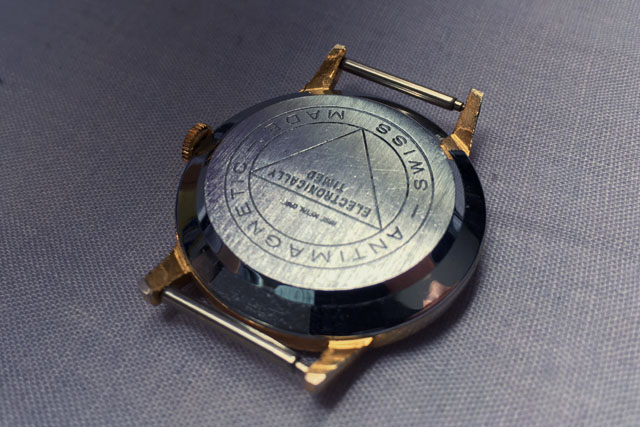
Swiss watches tend to use the best materials possible. When you look at a cheap Casio, its 99% plastic, when you look at some high end Swiss watches they may be made from a precious metal like gold or they may even include diamonds.
The more expensive the materials that are used, the more the final watch will cost.
Work Force Costs
Swiss watch makers are highly skilled people and they are not cheap labour. They are not just some production line workers in a factory.
They are also usually assembling the watches by hand. If you have ever seen a watch being taken apart you will understand how intensely difficult it is to build a watch and how much skill it requires.
Paying for people with this level of training is not cheap. You also need to remember that they live in Switzerland, which is a country with a pretty high living cost.
This all adds up, so of course the watches are going to be more expensive to cover the costs of using this high skilled workforce.
(You can read more about – Is It Worth Becoming A Watchmaker?)
Research and Design
Another area of the workforce that is often forgotten about is the research and design team.
These companies design their own watches from scratch, including the movements.
Producing something like a new movement is not something that can be done over night. It is going to take a long time and require a lot of work. When you start adding in extra complications and playing with new designs then the process is going to take even longer and require more money to do tests and build prototypes.
This whole process is going to be carried out by a team of highly skilled workers and this will all need to be factored into the cost. When you look at cheap homages, they are not doing this. They are just copying the hard work of these Swiss teams and are able to reduce their final cost massively by missing out this step.
Production Over Heads
We also need to consider the other overheads that are involved in watch making. The cost of running a factory in Switzerland is going to be more expensive than doing it in other parts of the world.
You also need to remember that these companies are making everything themselves. A company like Rolex will make its own gold. They literally have a foundry that they melt everything in. Many other companies have their own specialised machines to produce their unique parts.
This will not be cheap to do and this extra cost is going to be reflected in the watches.
Production Time
These watches take time to make. Sometimes up to a year. When you are manufacturing all the parts from scratch and then assembling them by hand it is a very slow process.
This means each watch is labour intensive and it also means there are not that many made. This can really effect the cost of watch and is always going to drive it up.
Quality Of The End Product
When you take a Swiss watch and compare it to a cheap alternative, or a copy, the difference in quality is worlds apart. A Swiss watch is finished perfectly and every little detail should be pretty much perfect.
When you look at cheap watches you can see where the corners where cut. The finishing can often not be as smooth or you will find dust particles under the dial, just little imperfections that you will not find on a Swiss watch.
Swiss watches are also going to last a life time. Everything is made to last and run properly. You have the best designs, materials possible and they are assembled with extreme care, so your watch will not just fall apart in 6 months.
Performance
Swiss watches also perform extremely well. Of course they are no match for the quartz watches, but as far as mechanical watches go, they are at the top.
A lot of Swiss watches will run within a few seconds a day, where a cheaper alternative may run at -/+30 seconds a day.
You will also find a lot of complications on Swiss watches that increase the performance of the watch in other areas.
Marketing
We have to be honest, a lot of the price can boil down to marketing, and I mean that from both angles.
Firstly, these companies pay for marketing campaigns, which cost money so that will be reflected in the watch. However, most of the marketing is aimed at making us think the watch is this exclusive luxury item that we need in our lives.
The Swiss companies use their rich history of watch making and excellent reputation to their advantage. They are able to use this in their marketing campaigns to lure you in and help justify the higher costs. This sells a lot better than “we need to pay all of our staff” and it allows them to almost build a hype around their brand making it synonymous with luxury aspirations.
I think we would be lying to ourselves if we didn’t accept that some of the cost is for the brand name. I don’t think this is a problem. They do have the history and they do have the reputation, so why not use that to their advantage. I am happy to buy into that prestige.
(You can read more about – How To Safely Buy A Luxury Watch)
Supply and Demand
I don’t much about economies, but I understand that the less there is of something, the higher the demand will be.
When you have a high performance item, that has a lot of marketing behind it, people want it. However, when you match that with a very slow production rate and a low production levels, you are going to end up with some really good supply and demand.
Some Swiss watches only make a handful of watches every year. They are not mass produced, but everyone wants a piece of the horological history and prestige that these brands offer, which can really start to ramp the prices up.
Second Hand Market
We can really see this in action in the second hand market. Buying a watch new is difficult, there is not many of them and sitting on a waiting list can take you forever to get the watch.
his is why when someone does get a watch, the second they walk out the door and think about selling it on the open market, the price can instantly double, even triple at times.
It’s highly frustrating, but it is just simply supply and demand.
Conclusion
Swiss watches are expensive, but hopefully now you can understand why they might be higher than a cheap alternative.
There is a lot that goes into watch making and it all adds up and it will affect the final price. I think a lot of the prices can be justified. I do feel that what you are paying for is superior to a lot of other watches, even if you are paying a little extra for the brand name, I think it can be worth it.
(You can read more about non-Swiss watches and – What Makes A Watch Expensive?)

Ian is the main writer at Horology Dream and is a lover all things watch related.
He has been a watch collector for over a decade and brings his knowledge and experience to this site to help you on your own watch collecting journey.
You can connect with him on Social media and talk anything watches or read more about him on his Author Page.