Getting a new watch and winding it for the first time is always a pleasure, but you will always be a little cautious about winding it too much and breaking it, but can this actually happen?
Yes, you can over wind a watch and if you go too far you can snap the mainspring and break the watch. However, you are very unlikely to keep winding with the amount of force that is needed to do this, so really you can’t over wind a watch unless you are actively trying to.
Always Read The Manual
When you get a new watch and before you do anything, read the manual. I know it’s boring but it can be helpful. The one time I didn’t do this I nearly broke my crown trying to pull it out, only to check the manual and see it was actually a screw down crown. So yeah, that was embarrassing.
Just give it a quick read. Every watch and their movement will be different, so just double check how to actually use it properly, to ensure you don’t break it.
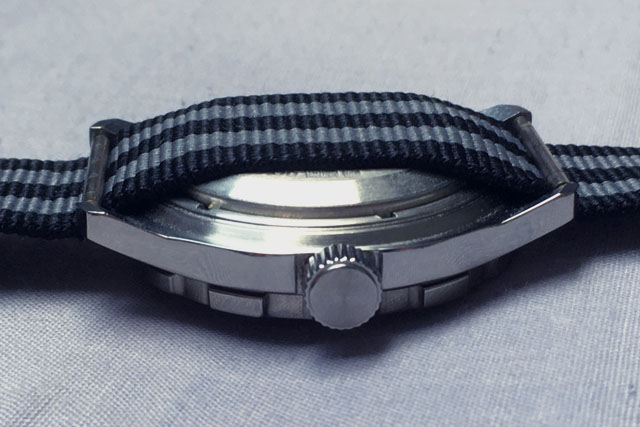
Older/Vintage Movements
These are going to be much more delicate and you should wind them with a little more caution. There is a possibility they will be a little more worn and are more subject to metal fatigue, which means things can crack and break a lot easier.
You should still be fine, but I would be gentile with these types of movements and pay attention when you are winding them. The second you feel any sort of tension when turning the crown, I would stop winding immediately.
New Watches
It is nearly impossible to over wind a new watch. You would probably need a pair of pliers to get enough torque into the crown to be able to twist it to breaking point.
That doesn’t mean you should be winding to the limit. Over time you can still damage things and wear them down, just don’t panic if you feel you have got a little too far, you probably haven’t.
If you do get a fault in your watch, it will usually be from a weakness in the part, rather than you causing the damage through force.
Manual Wind Watches
With manual wind watches, you are more likely to damage them than any other watch. You are probably not as careful with them as a vintage watch and you actually need to wind them, unlike an automatic.
However, as I said above, the force you need to actually damage the watch is pretty high, so you are unlikely to reach this level.
When you are winding the watch you will start to feel a change in the resistance of the crown. You will feel it change and feel it tightening and you will stop.
Your natural reaction will be to stop; it will just feel like it is wound up and at its limit.
You could of course keep going, but you will feel like you will break it, so will naturally stop before this limit is reached. This is why it’s pretty hard to actually over wind a watch.
I just give my watch 30 winds and that is usually enough to fully charge it, or at least keep it going for as long as I need it.
Feeling Out A New Watch’s Limit
If you have a watch that is new to you, start with 30 turns. If you feel resistance before you get to 30, just stop.
Now you just have to see how long it lasts with the amount of turns you give it. It doesn’t need to be preciously measured, you will know if it was enough or not. If you look down an hour later and it’s stopped, you know you need to wind a bit more next time.
Hopefully those 30 turns got you to the time you would expect to see from that movement you have or at least you can start to get an idea of how much power you give it.
If your watch is meant to have a 70 hours power reserve and your 30 twists only got you about 30 hours, then next time double it to 60 turns and see what happens.
So long as you are always looking out for that feeling of resistance you will very quickly stat to get a feel for your new watch and when you might be getting fully wound.
Automatic Watches
For most automatic watches it is impossible to over wind them.
Most automatic movements will have a clutch system that will separate the winding mechanism from the mainspring once it is fully wound. This is of course because the rotor that winds the watch isn’t going to stop spinning when the spring is fully wound. The watch needs some way to protect itself or its going to break the first day you wear it. This system allows the rotor to keep moving and prevent over winding.
Some Automatics will let you also hand wind the watch if you want to, others do not and only allow the weighted rotor to do all the work. Some Sekios only allow this, which is why you have to do the Seiko Shuffle to get them going again when they have stopped, as there isn’t an option to hand wind them.
For the watches that do allow you to hand wind, some will activate the clutch and prevent from you from manually over winding, but you will need to check with your individual movement.
If you do hand wind it, treat it like a manual watch. As soon as you feel any tension, just stop.
Usually you can stop long before this and let the automatic system take over. I might wind these watches up to 30 turns to get them going; usually less to be honest, and then I just put them on my wrist and let them do their thing. They will be fully charged in no time.
(You can read more about – How Long Does An Automatic Watch Take To Wind?)
Quartz
If you are winding a quartz watch, you probably want to stop. These are powered by batteries, so winding it isn’t going to do anything. If it’s running, just leave it do its thing, you don’t need to do anything. If it’s stopped working, you will need to replace the battery.
(You can read more about – How Long Do Quartz Watches Last?)
Watch Doesn’t Start
Once you start winding the crown of a watch, it should start to jump into life after a couple of turns.
If you are finding your watch isn’t starting after a few turns, try and give it a shake for a couple of seconds to see if that can get the rotor to spin and to get the watch going.
If you are winding and winding and the watch doesn’t start, then it’s probably broke. A watch works by winding the crown, this tightens the mainspring, which then will slowly unwind and move the wheels and cogs, resulting in the hands moving.
If the mainspring is broken you will not be able to tighten in up, basically you cannot get any power into the watch.
Another issue is that the crown could be damaged and it is not connecting with the watch, so basically you are spinning it and the threads inside are connecting with anything.
In both these instances you will need to take the watch to get fixed by a watch maker.
(If you have a Vostok that is not running you should read this – Why Has My New Vostok Randomly Stopped Working?)
Conclusion
Winding your watch is pretty safe and you are very unlikely to over wind it.
However, treat your watches with respect and handle them gently. Pay attention when you are winding and listen to and feel the crown as you turn it. The second you feel any resistance, stop winding, your watch is probably fully charged now and ready to be worn. It’s better to be cautious and stop early. You can always top it up again later if think it’s running low.
(You can read more about – Can A Watch Be Left Unwound?)

Ian is the main writer at Horology Dream and is a lover all things watch related.
He has been a watch collector for over a decade and brings his knowledge and experience to this site to help you on your own watch collecting journey.
You can connect with him on Social media and talk anything watches or read more about him on his Author Page.